On every plan
Agents read the governed model through the MCP endpoint on Builder, Team and Enterprise. Agents are not seats; viewers are free and unlimited.
Graph-based modeling, adjustable meta-models, collaboration and suggestions, import-map-compare, precision editing, validation and governance, transformation across formats, and the agent endpoint.
An inventory, without adjectives. Everything here is in the product today; where a capability is early access, the connector page says so.
Six capabilities of the modeling workspace, as they look in the product.
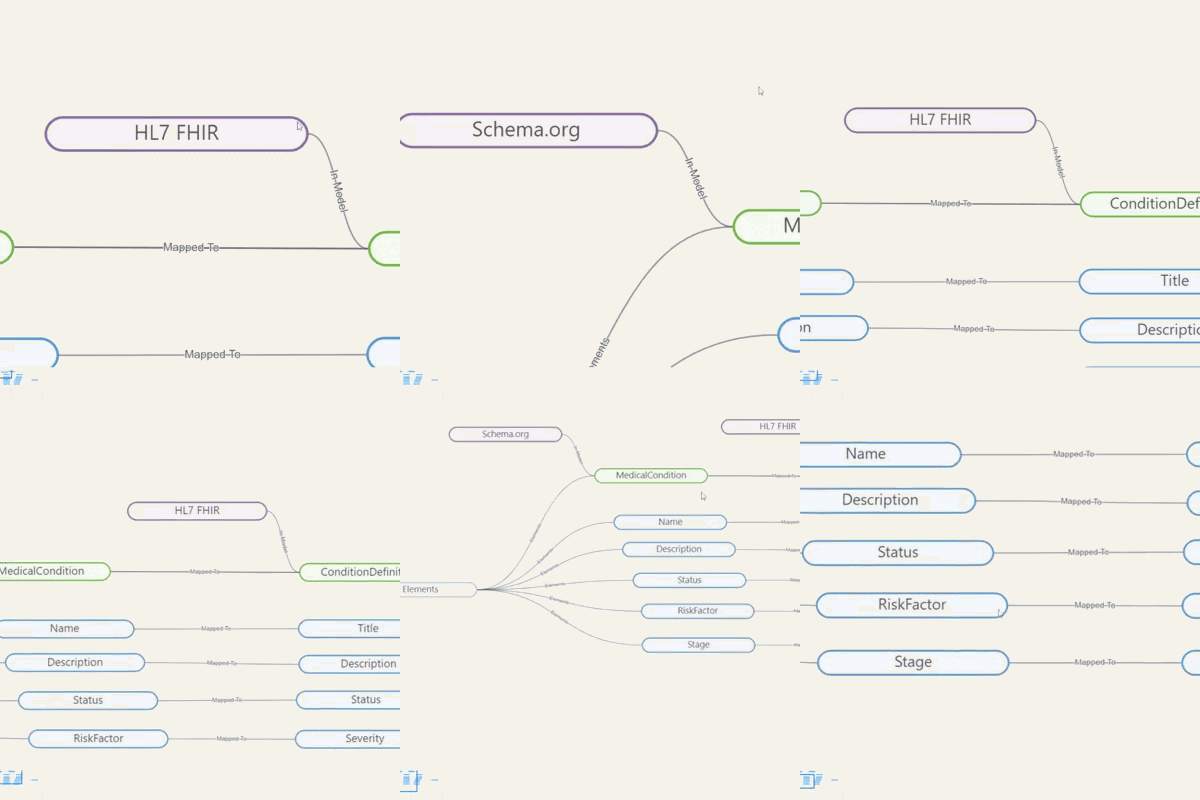
CoreModels provides visual editors for entities, relationships, and constraints — letting you build and evolve data models without writing code. Everything is connected in a single schema graph.
CoreModels comes with default meta-model templates for common formats — all customizable. Extend existing templates or build your own to match your organization's needs.
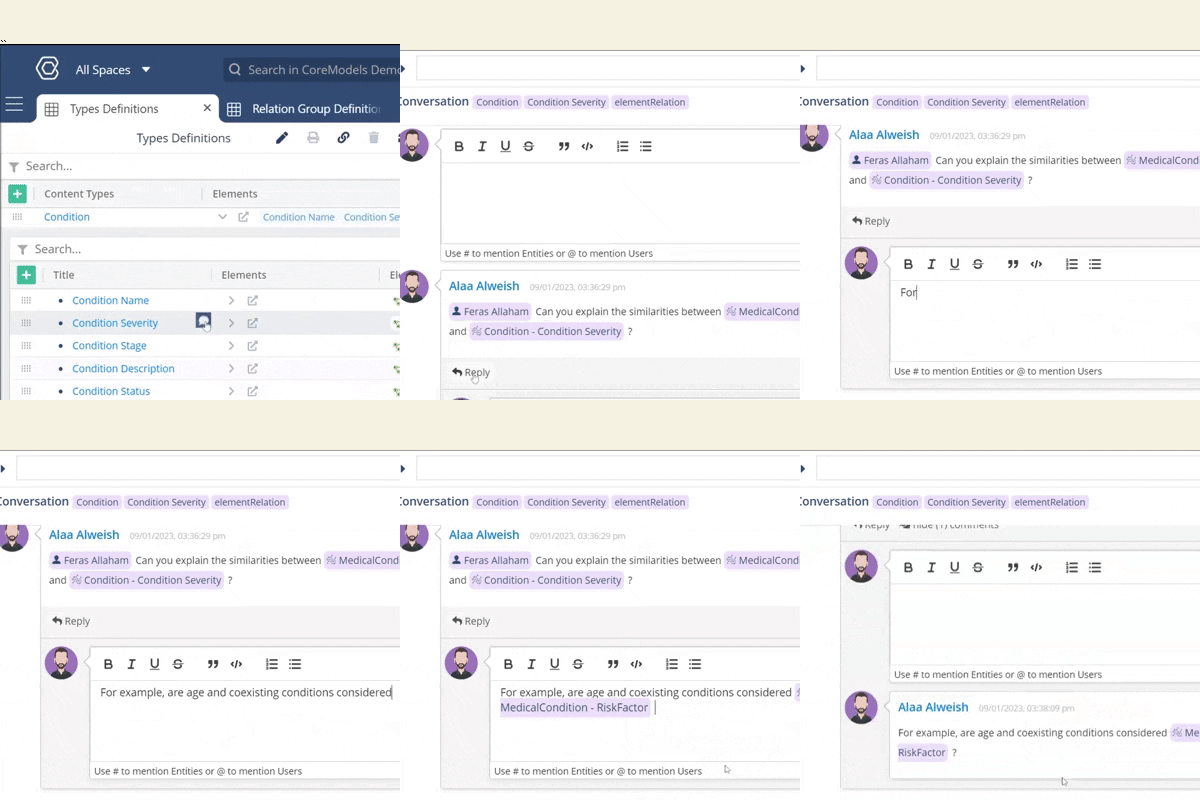
Collaborate with your team on data models in real time. Get feedback, make changes, and ensure everyone is on the same page with built-in suggestions and comments.
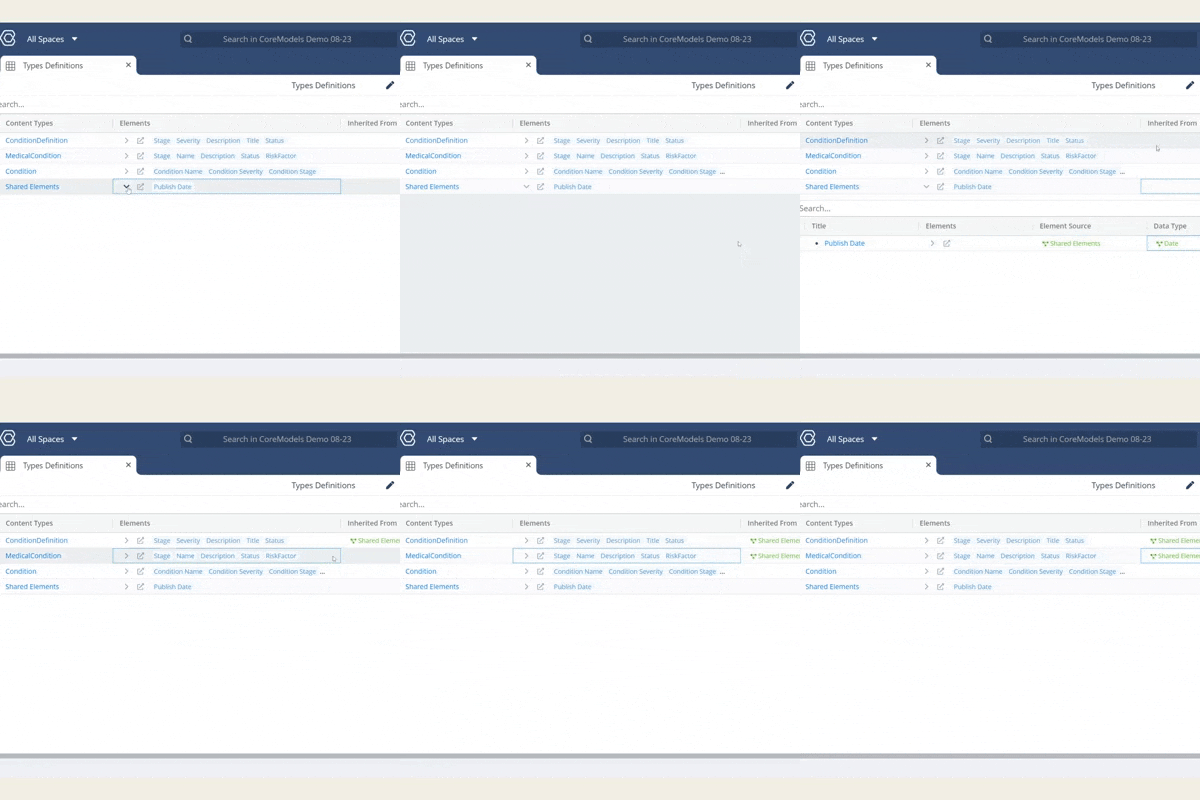
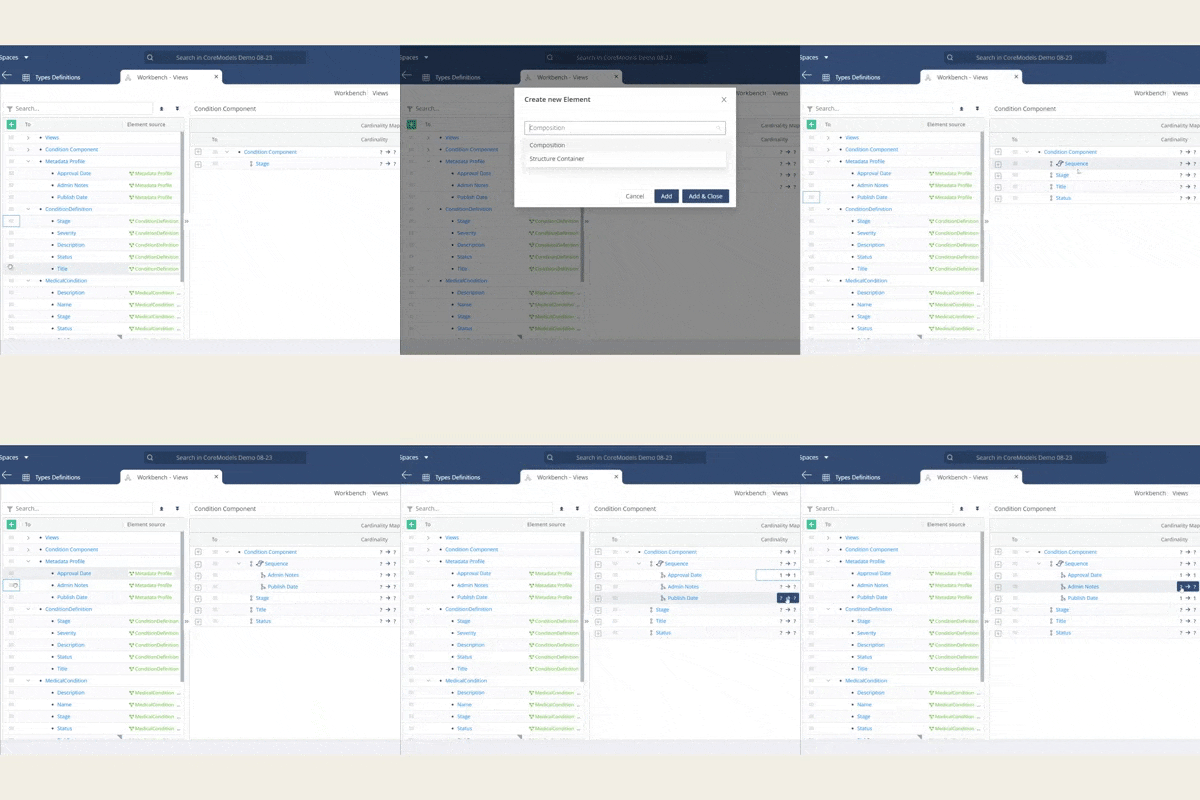
Fine-tune your data models to meet specific needs. Specify required attributes, create custom relationships, and control every detail of your schema definitions.
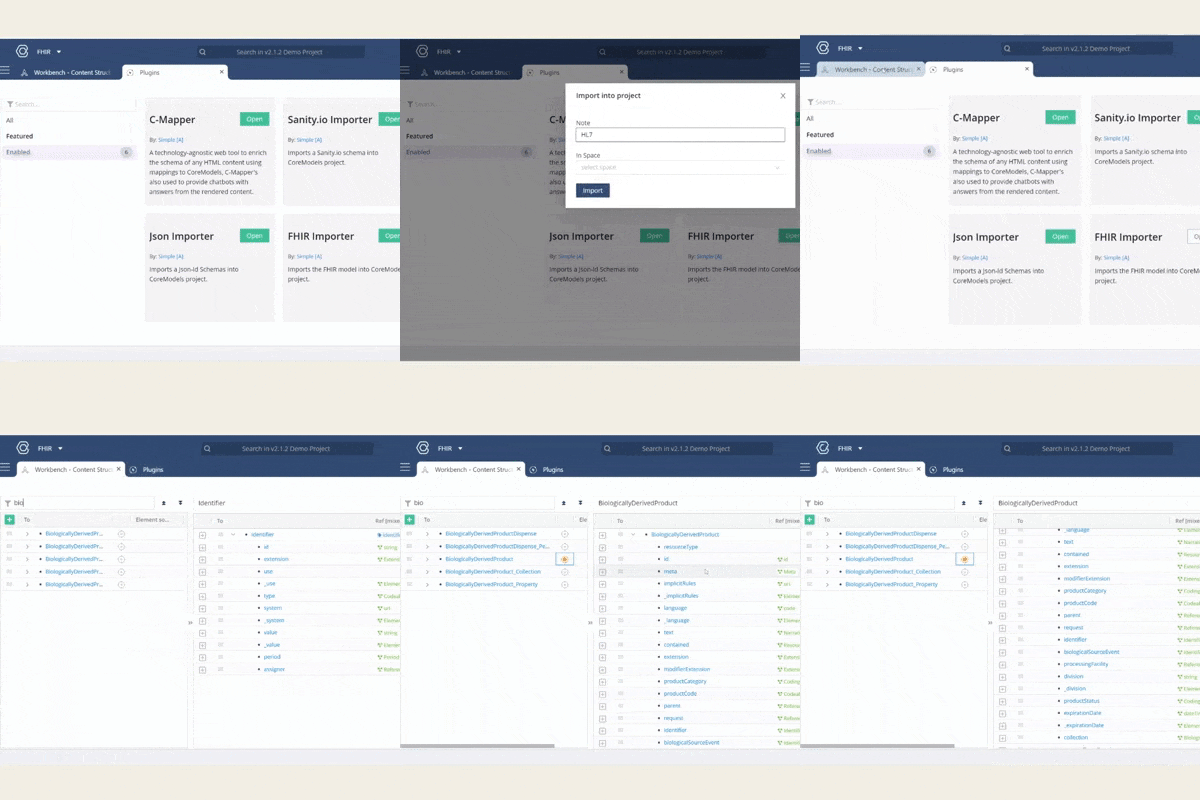
Built as a cloud-native service, CoreModels scales to handle large datasets and complex model libraries. It integrates smoothly into your existing stack and keeps performance high as your usage grows.
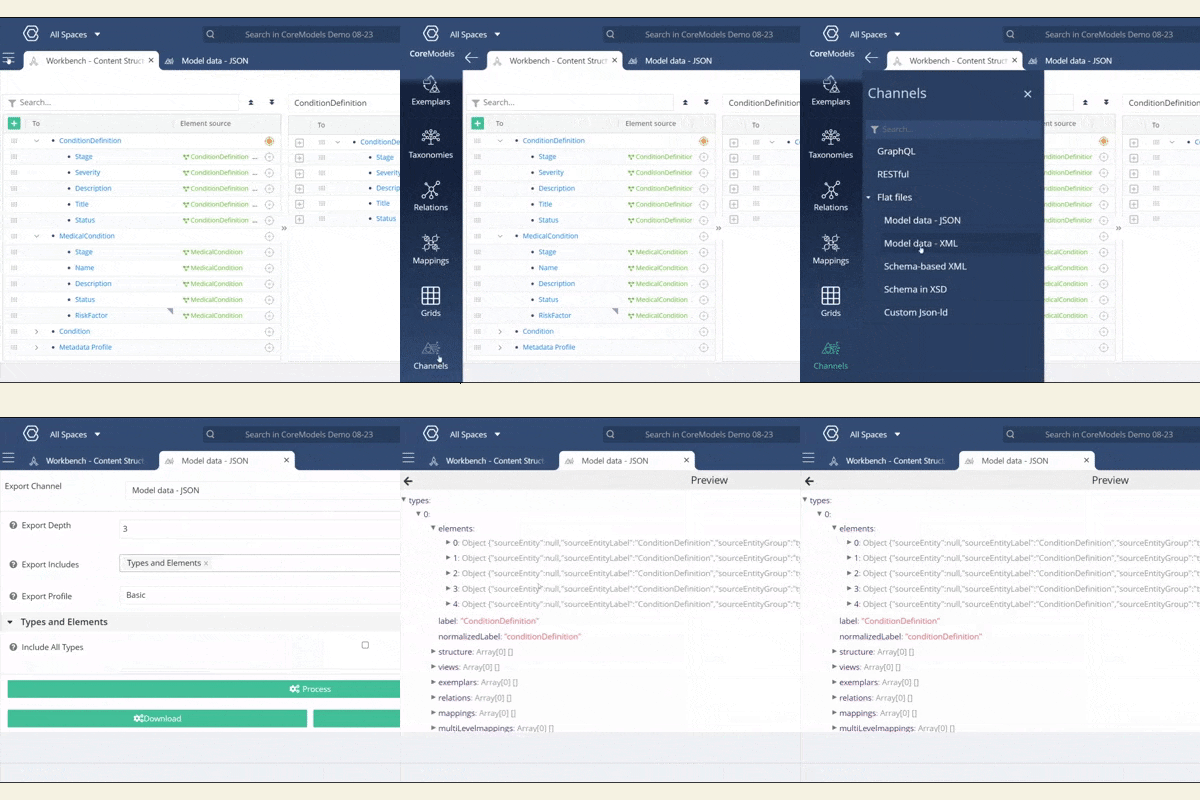
Underneath every import and export is a transformation engine with one neutral representation at its center. A model that arrives as a JSON Schema can leave as a JSON-LD context, a ShEx shape, an Avro record, a SQL DDL, or an OWL class — and the engine keeps a ledger of what each target format cannot hold, so a lossy projection is declared rather than discovered. The same engine reconciles a schema imported from one platform against the same schema imported from another.
16 platforms and 10 formats today, labelled for what you can do with each. Platforms are the systems your schemas run in; formats are the languages they are written in. Every card on the catalog says whether it is generally available, early access, or guided.
Airbyte · Apache Airflow · Google BigQuery · cBioPortal · Confluent · Schema Converter · Databricks · dbt · Microsoft Fabric · AWS Glue · Neo4j · Open Semantic Interchange · REDCap · Salesforce · Snowflake · Azure Synapse
Apache Avro · JSON-LD · JSON Schema · LinkML · ODCS · MACH ODM · OWL · Protocol Buffers · ShEx · SQL
Built as a cloud-native service, CoreModels scales to large datasets and complex model libraries and keeps performance high as usage grows. Builder allows 100,000 nodes per model, Team 1,000,000, Enterprise unlimited — a node being any type, element, taxonomy term or value in a model; a 300-model dbt project at about eight columns each is roughly 2,400 nodes before vocabularies. Enterprise adds RBAC, SSO/SAML, IP allowlisting, audit logs, private schema vaults, dedicated infrastructure, on-premise and private-cloud deployment, and a 99.9% uptime commitment in contract. Plans and limits →
Nothing is charged during the trial. Plans and limits are on the pricing page.
Previous: How it works